

How Chronic Stress Can Wreck Your Metabolism: The Cortisol–Insulin Resistance Connection

Introduction: Can Stress Really Affect Your Blood Sugar?
We often think of stress as a mental burden—tight shoulders, racing thoughts, or trouble sleeping. But stress has profound effects on your metabolism, especially how your body handles sugar and fat.
One of the biggest hidden effects? Chronic stress can make you insulin resistant—pushing you closer to weight gain, fatigue, and even type 2 diabetes.
Let’s explore how that works.
Meet Cortisol: Your Main Stress Hormone
When your brain senses a threat—physical or emotional—it tells your adrenal glands to release cortisol.
This hormone is incredibly useful short-term. It:
Increases blood sugar (to fuel your brain and muscles)
Breaks down fat and muscle for energy
Keeps you alert and focused
But when stress is constant (deadlines, social media, poor sleep, emotional strain), cortisol stays elevated—and that’s where problems begin.
How Cortisol Affects Insulin and Blood Sugar
Cortisol is a counter-regulatory hormone to insulin. It raises blood sugar while insulin tries to lower it.
Here’s what happens with chronic stress:
Cortisol raises blood glucose (to prepare for "fight or flight")
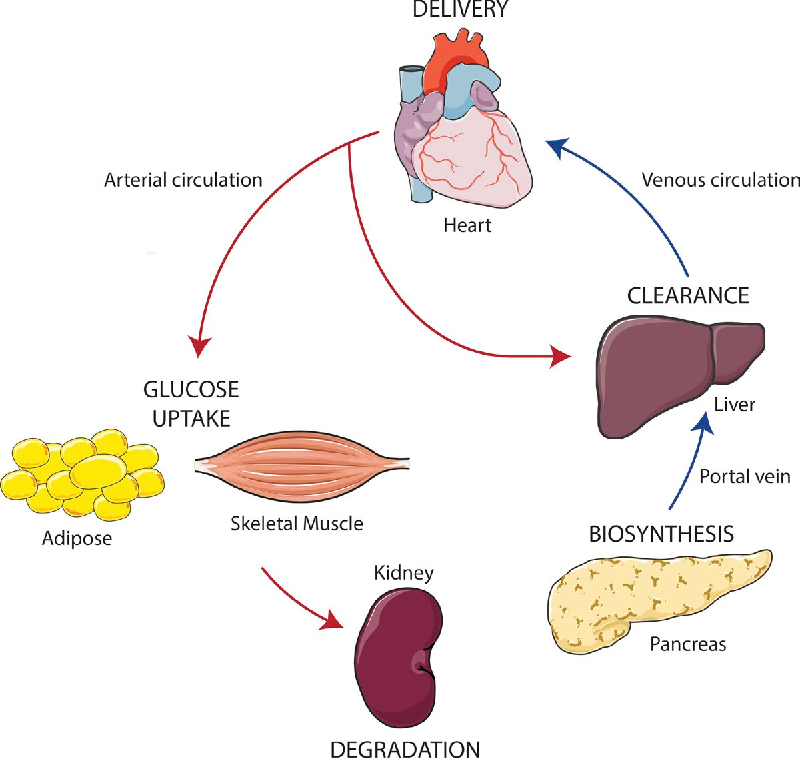
Pancreas releases more insulin to bring sugar down
Over time, your cells stop responding well to insulin = insulin resistance
Result: more fat storage, higher blood sugar, cravings, fatigue
Stress Also Promotes Belly Fat (Visceral Fat)
Cortisol doesn’t just increase fat storage—it prefers to store fat in your belly.
Visceral fat is more hormonally active
It releases inflammatory cytokines
This further impairs insulin signaling
Belly fat isn’t just a cosmetic issue—it’s a metabolic warning sign
Stress Hurts Your Sleep, Which Hurts Your Metabolism
Poor sleep raises evening cortisol
Reduces insulin sensitivity the next day
Increases hunger hormone ghrelin
Lowers fullness hormone leptin
This leads to: more snacking, more cravings, and more fat gain
Stress Affects Your Mitochondria, Too
Chronically elevated cortisol can:
Increase oxidative stress (ROS)
Damage mitochondria (your energy engines)
Lower your ability to burn fat
This contributes to metabolic slowdown and fatigue.
How to Break the Stress–Insulin Resistance Loop
You don’t have to eliminate stress—but you can change how your body responds to it.
1. Move your body daily
Even short walks lower cortisol and improve insulin sensitivity
2. Sleep like it’s your job
Prioritize 7–8 hours, reduce blue light, and keep consistent bedtime
3. Breathe, meditate, or rest your mind
Even 5–10 minutes of deep breathing or mindfulness increases vagal tone and reduces cortisol
4. Eat balanced meals
Include protein, fiber, and healthy fat to keep blood sugar steady
5. Don’t overtrain
Too much high-intensity exercise without recovery can backfire and raise cortisol
Final Thoughts
Stress isn't just in your head—it's in your hormones, blood sugar, and belly fat. If you’ve been eating healthy and exercising but still struggle with energy, cravings, or fat loss, chronic stress and cortisol might be the missing piece.
By calming your stress response, you support not just your mind—but also your metabolism, insulin sensitivity, and long-term health.
Your body listens to your environment. Let’s teach it that it's safe.


Comments